
Complete Guide to Reducing Costs and Increasing Production Efficiency
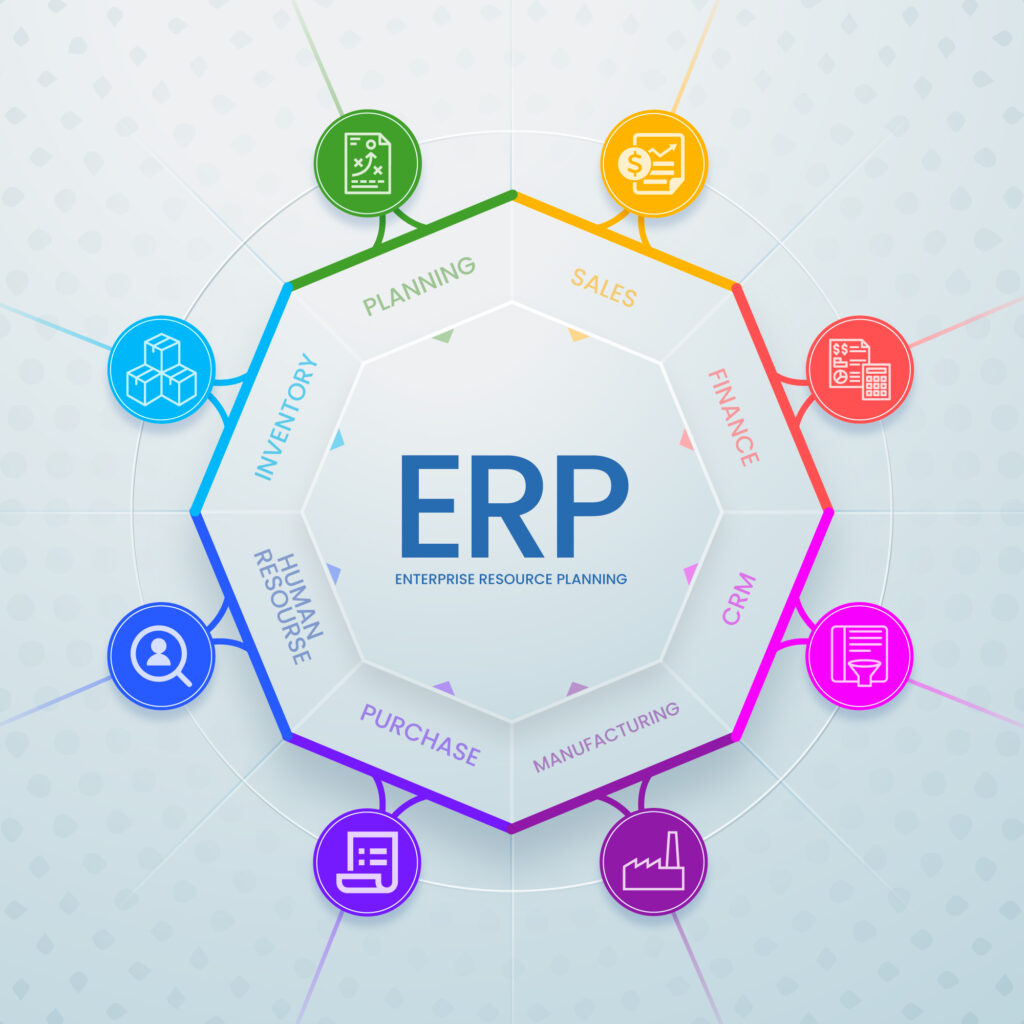
What Is an ERP System for Manufacturing Companies?
An ERP system for manufacturing companies is a centralized software platform that integrates production planning, inventory management, procurement, finance, and operations into a single system.
It allows manufacturers to:
- Track raw materials in real time
- Plan and schedule production efficiently
- Automate procurement and supplier management
- Monitor operational costs and profitability
- Improve decision-making using real-time data
In simple terms:
ERP connects your entire factory into one intelligent system.
Why Manufacturing Companies Need ERP Software
Most manufacturers begin searching for ERP when they face:
- Production delays due to poor planning
- Inventory shortages or overstocking
- Manual tracking using spreadsheets
- Lack of visibility across departments
- Rising operational costs
Manufacturing companies need ERP software to integrate production, inventory, finance, and supply chain operations into one system, reducing inefficiencies and improving real-time decision-making.
Cloud ERP vs Traditional ERP for Manufacturers Quick Comparison
| Feature | Cloud ERP | Traditional ERP |
|---|---|---|
| Deployment | Online | On-premise |
| Cost | Lower upfront | High upfront |
| Scalability | High | Limited |
| Maintenance | Managed | Internal IT required |
Key Features of ERP Software for Manufacturing
1. Production Planning and Scheduling
Plan, monitor, and optimize manufacturing workflows to reduce downtime and improve output.
2. Inventory and Warehouse Management
Track raw materials, work-in-progress, and finished goods in real time.
3. Procurement and Supplier Management
Automate purchasing and maintain better supplier relationships.
4. Bill of Materials (BOM) Management
Define product structures and ensure accurate production processes.
5. Quality Control Systems
Maintain consistent product quality with built-in inspection workflows.
6. Financial Management
Track costs, revenues, and profitability across operations.
7. Real-Time Analytics and Reporting
Access dashboards that show production performance and operational metrics instantly.
ERP Implementation in Manufacturing: What to Expect
Typical ERP implementation steps:
- Business process analysis
- System customization
- Data migration
- Staff training
- Go-live and optimization
Timeline
- Small manufacturers: 2–4 months
- Medium-sized companies: 4–8 months
